5 Practical Uses for Dry Ice in Business and Industry

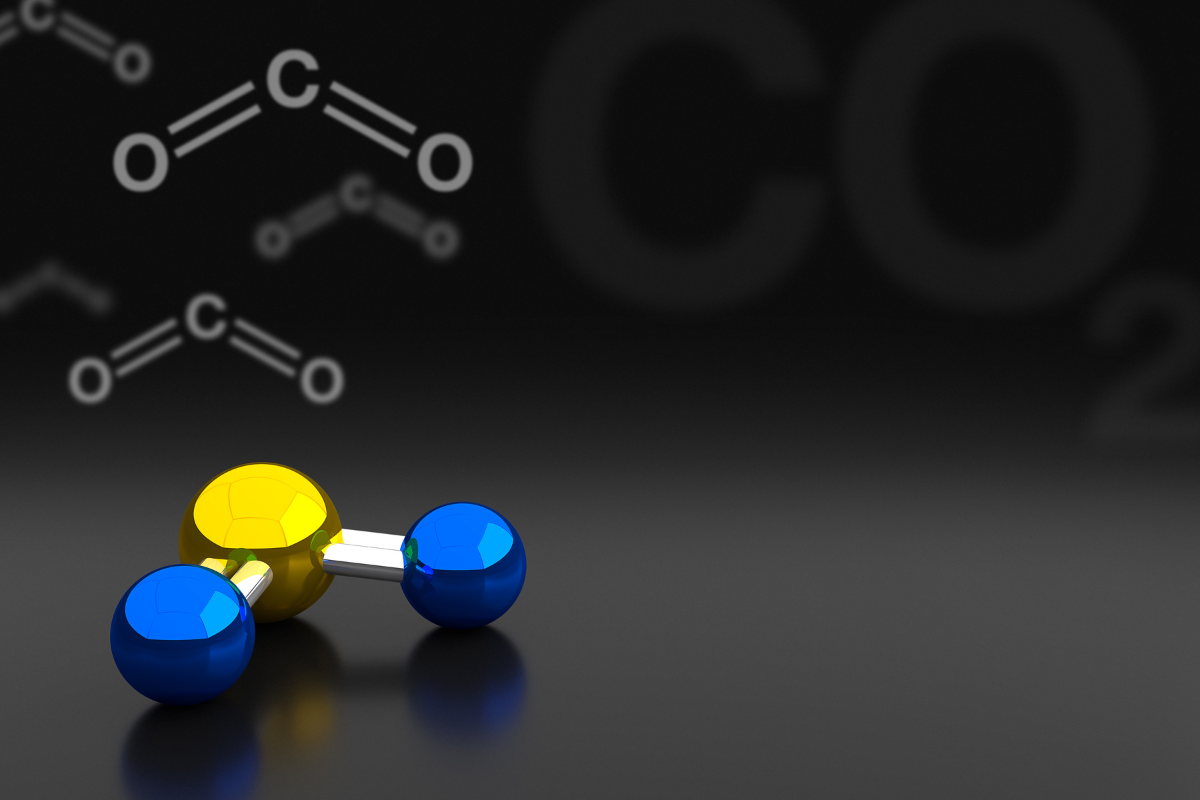
Dry ice is often associated with theatrical fog or novelty experiments, but in reality it is a powerful and practical tool used across many industries. Because dry ice is the solid form of carbon dioxide (CO₂) and maintains a temperature of –109.3°F (–78.5°C), it provides an extremely effective method for cooling, preservation, and cleaning.

Here are five common ways businesses use dry ice today.

1. Cold Chain Shipping
Dry ice is widely used to ship temperature-sensitive goods such as seafood, meat, frozen foods, and pharmaceuticals. Because dry ice sublimates directly from solid to gas, it maintains very cold temperatures without leaving moisture behind — making it ideal for packaging applications where water contamination must be avoided.

2. Food Processing and Rapid Cooling
In food manufacturing, dry ice is used for quick chilling and freezing. Rapid cooling helps preserve flavor, texture, and nutritional value while reducing bacterial growth during processing.

3. Medical and Laboratory Transport
Hospitals, laboratories, and research facilities rely on dry ice to transport biological samples, vaccines, and diagnostic materials. Maintaining stable sub-zero temperatures ensures sensitive materials remain viable during transit.

4. Industrial Cleaning (Dry Ice Blasting)
Dry ice blasting is a specialized cleaning method that removes grease, residue, and contaminants from machinery. Because the pellets sublimate on impact, there is no secondary waste, making it a cleaner alternative to water or chemical-based methods.

5. Event and Special Effects
Dry ice is also used in entertainment and hospitality to create dramatic fog effects for events, stage productions, and themed environments.

When handled properly and sourced from a reliable supplier like Irish Dry Ice, dry ice becomes an incredibly versatile tool for businesses that require powerful cooling, clean processing, or specialized applications.

From shipping and food production to industrial cleaning, dry ice continues to support modern operations in ways many people never see—but rely on every day.

What Is Dry Ice and How Does It Work?

Dry ice is the solid form of carbon dioxide (CO₂), a naturally occurring gas found in the air we breathe. Unlike traditional ice, which is made from frozen water, dry ice is created by compressing and cooling carbon dioxide gas until it becomes liquid. That liquid CO₂ is then rapidly expanded, forming a snow-like solid that is compressed into blocks, pellets, or slices.

What makes dry ice unique is both its temperature and behavior. Dry ice has a surface temperature of –109.3°F (–78.5°C), making it significantly colder than water ice. This extreme cold allows it to freeze and preserve materials quickly and effectively.

Even more distinctive is the way dry ice changes state. Instead of melting into liquid as it warms, dry ice undergoes a process called sublimation where it transitions directly from a solid to a gas. This means dry ice does not leave behind moisture or puddles. As it sublimates, it releases carbon dioxide gas, which is why you may see a fog-like effect when dry ice is exposed to air. That “smoke” is actually water vapor in the surrounding air condensing due to the extreme cold.

Because it leaves no residue, dry ice is widely used in applications where moisture control is critical. It plays a vital role in food processing, cold chain transport, medical shipping, and industrial cleaning. In dry ice blasting, for example, pellets are used to clean machinery; upon impact, they sublimate, leaving no secondary waste behind.

However, proper handling is essential. As dry ice sublimates, it releases carbon dioxide gas, which can displace oxygen in enclosed spaces. Adequate ventilation and protective gloves are important safety measures.

When sourced from a trusted supplier like Irish Dry Ice, dry ice provides a powerful, efficient, and versatile cooling solution.

Dry ice may seem simple at first glance, but its science and applications are anything but ordinary.

Medical and Pharmaceutical Uses of Dry Ice

In the medical and pharmaceutical industries, temperature control is not just important — it is critical. From vaccines and biologics to diagnostic samples and clinical trial materials, many healthcare products must be kept at precise temperatures to remain safe and effective. Dry ice plays a vital role in maintaining those conditions.

Dry ice is the solid form of carbon dioxide (CO₂) and maintains an extremely low temperature of –109.3°F (–78.5°C). Because it sublimates — transitioning directly from solid to gas without becoming liquid — it provides powerful cooling without leaving behind moisture. This makes it ideal for medical applications where contamination control is essential.

One of the most common uses of dry ice is in the transport of temperature-sensitive pharmaceuticals, including vaccines, injectable medications, and specialty biologics. Many of these products must remain frozen throughout transit to preserve stability and potency. Dry ice ensures sub-zero temperatures are maintained during shipping, particularly for long-distance or international transport.

Dry ice is also widely used for laboratory specimen transport. Blood samples, tissue samples, and diagnostic materials often require frozen storage to prevent degradation. By maintaining consistent temperatures during handling and transit, dry ice helps protect sample integrity and ensures accurate test results.

In pharmaceutical manufacturing and research settings, dry ice is used for rapid cooling and controlled freezing during production processes. Its ability to cool quickly without introducing water supports sterile environments and precise formulation control.

Because sublimation releases carbon dioxide gas, proper ventilation and handling protocols are essential. Facilities must follow regulatory guidelines to ensure safety and compliance. Reliable sourcing from an experienced supplier like Irish Dry Ice ensures consistent quality, proper packaging, and dependable delivery — key factors in healthcare logistics.

In medicine and pharmaceuticals, there is little room for error. Dry ice provides a dependable solution for protecting products that safeguard human health.

How Cold Is Dry Ice? Understanding Sublimation

Dry ice is remarkably cold — much colder than traditional ice. While regular ice freezes at 32°F (0°C), dry ice has a surface temperature of –109.3°F (–78.5°C). This extreme cold makes it highly effective for freezing, chilling, and preserving temperature-sensitive materials across food processing, medical transport, and industrial applications.

But dry ice isn’t just colder — it behaves differently.

Dry ice is the solid form of carbon dioxide (CO₂). Unlike water ice, which melts into liquid before evaporating, dry ice undergoes a process called sublimation. Sublimation occurs when a substance transitions directly from a solid to a gas without becoming liquid first.

At normal atmospheric pressure, carbon dioxide cannot exist as a liquid. So as dry ice warms, it doesn’t melt — it turns directly into carbon dioxide gas. That’s why dry ice appears to “disappear” over time, leaving no puddle behind. The dramatic fog often seen around dry ice isn’t smoke; it’s condensed water vapor formed when the extremely cold CO₂ gas rapidly cools the surrounding air.

This sublimation process is what makes dry ice so useful. Because it doesn’t produce liquid residue, it’s ideal for applications where moisture control is critical such as food processing, shipping perishable goods, and industrial cleaning. It also means there’s no secondary cleanup required, which improves efficiency in many operational settings.

However, sublimation also requires proper handling. As dry ice turns into gas, it releases carbon dioxide into the surrounding environment. Adequate ventilation is important to prevent CO₂ buildup in enclosed spaces.

Understanding how cold dry ice is, and how sublimation works, helps businesses use it effectively and safely. When sourced and handled properly, dry ice is one of the most powerful and versatile cooling tools available.

Why Ventilation Matters When Using Dry Ice

Dry ice is an extremely effective cooling and cleaning tool, widely used in food processing, shipping, medical applications, and industrial cleaning. But because dry ice behaves differently than traditional ice, it requires special safety considerations — one of the most important being proper ventilation.

Dry ice is the solid form of carbon dioxide (CO₂). As it warms, it doesn’t melt into liquid; instead, it sublimates, transitioning directly from a solid into a gas. While carbon dioxide is non-toxic and naturally present in the air, high concentrations can quickly become hazardous in enclosed or poorly ventilated spaces.

In confined environments, sublimating dry ice can displace oxygen without any visible warning signs. Elevated CO₂ levels may cause symptoms such as headaches, dizziness, shortness of breath, or confusion — and in extreme cases, oxygen deprivation. Because carbon dioxide is colorless and odorless, these conditions can develop before anyone realizes there’s a problem.

Proper ventilation allows excess CO₂ to dissipate safely, maintaining breathable oxygen levels. This is especially critical when dry ice is used indoors, in vehicles, walk-in coolers, storage rooms, or processing facilities. Even during transport, dry ice should never be placed in airtight containers or unventilated passenger areas.

Ventilation is also essential during dry ice blasting operations. As pellets sublimate on impact, CO₂ is released rapidly into the surrounding air. Adequate airflow — combined with monitoring and safety protocols — ensures a safe working environment for operators and nearby personnel.

Working with an experienced supplier like Irish Dry Ice helps ensure not only reliable product availability, but also proper handling guidance and safety education. Understanding how dry ice behaves, and respecting its properties, allows businesses to use it effectively and responsibly.

Dry ice is a powerful tool. With proper ventilation, it’s also a safe one.

Dry Ice for Food Processing and Cold Chain Transport

Maintaining precise temperature control is critical in food processing and cold chain transport. From production floors to long-distance shipping, even small temperature fluctuations can compromise food safety, quality, and shelf life. This is where dry ice plays an essential role.

Dry ice is the solid form of carbon dioxide (CO₂) and maintains an extremely cold temperature of –109°F (–78.5°C). Unlike traditional ice, dry ice sublimates — meaning it transitions directly from solid to gas without becoming liquid. This unique property makes it especially valuable in food environments where moisture control, cleanliness, and consistency are paramount.

In food processing, dry ice is commonly used for rapid chilling and freezing. Quick temperature reduction helps preserve texture, flavor, and nutritional value by minimizing ice crystal formation. Dry ice is also used for crust freezing, portion control, and maintaining temperature during processing or transfer between production stages. Because it leaves no liquid residue, it reduces the risk of contamination and cleanup downtime.

For cold chain transport, dry ice is a trusted solution for shipping temperature-sensitive foods such as seafood, meat, baked goods, and prepared meals. Its ability to maintain sub-zero temperatures for extended periods makes it ideal for long hauls or shipments where mechanical refrigeration isn’t feasible. Dry ice also supports compliance with food safety regulations by helping maintain consistent temperatures throughout transit.

Another advantage is efficiency and sustainability. Since dry ice sublimates completely, there is no secondary waste to manage. It is also non-toxic, non-flammable, and approved for use with food products when handled properly. This makes it a practical and environmentally responsible choice for many food operations.

When sourced from a reliable local supplier like Irish Dry Ice, businesses benefit from consistent supply, proper handling guidance, and timely delivery. All are critical factors in fast-moving food operations.

In both food processing and cold chain logistics, dry ice is more than just a cooling agent. It is a powerful tool for protecting quality, safety, and operational efficiency from start to finish.

Dry Ice Blasting vs. Traditional Cleaning Methods

When it comes to industrial and commercial cleaning, not all methods are created equal. For decades, traditional cleaning techniques such as pressure washing, chemical solvents, abrasive blasting, and manual scraping have been the standard. In recent years, however, dry ice blasting has emerged as a powerful alternative. Understanding the differences can help facilities choose the most efficient and cost-effective solution.

Traditional cleaning methods often rely on water, chemicals, or abrasive media to remove contaminants. While effective, these approaches can introduce secondary waste, require extensive cleanup, and sometimes damage sensitive equipment. Moisture and chemicals may also lead to corrosion, residue buildup, or environmental disposal concerns. In many cases, equipment must be shut down or disassembled, resulting in costly downtime.

Dry ice blasting works differently. It uses solid carbon dioxide pellets accelerated by compressed air to clean surfaces. Upon impact, the dry ice pellets sublimate —transitioning directly from solid to gas —lifting contaminants away without leaving behind water, chemicals, or abrasive debris. Because the pellets disappear, there is no secondary waste to collect or dispose of.

One of the greatest advantages of dry ice blasting is that it is non-abrasive and non-conductive, making it ideal for cleaning sensitive machinery, electrical components, molds, and production equipment. In many cases, cleaning can be performed in place, significantly reducing downtime and labor costs.

From a safety and environmental standpoint, dry ice blasting also offers benefits. It eliminates the need for harsh chemicals and reduces water usage, making it an appealing option for facilities focused on sustainability and worker safety.

That said, traditional cleaning methods still have their place. Heavily corroded surfaces or applications requiring aggressive material removal may call for abrasive techniques. The key is choosing the right method for the job.

Dry ice blasting isn’t just a cleaning method—it’s a strategic maintenance tool. When efficiency, precision, and minimal disruption matter, it provides a compelling alternative to traditional approaches.

The Many Uses of Dry Ice: From Everyday Applications to Specialized Industries

Dry ice is a versatile and fascinating substance with a wide range of applications that go beyond just creating spooky effects at Halloween parties. From keeping food fresh to cleaning industrial machinery, dry ice plays a vital role in various fields. Let’s explore the many uses of dry ice and discover why it’s so important in everyday life and specialized industries.

Food Preservation

Dry ice has several unique properties, including its ability to reach cryogenic, or very low, temperatures. For this reason, one of the most common uses of dry ice is to preserve food. Because dry ice is so cold (-78.5 degrees Celsius or -109.3 degrees Fahrenheit), it’s perfect for keeping perishable items like meats, fruits, and vegetables fresh during transport. 

Plus, when dry ice sublimates, it doesn’t leave any liquid residue, unlike regular ice which can create a soggy mess. This makes dry ice ideal for shipping food items long distances–whether it’s a steak from a gourmet butcher or a cake from your favorite bakery! 

Shipping and Transportation

In addition to food, dry ice is used to transport temperature-sensitive items such as medical supplies, pharmaceuticals, and biological samples. For example, vaccines and lab specimens often require strict temperature control to remain viable. Dry ice provides a reliable and efficient way to maintain these temperatures during shipping, ensuring that the items arrive in perfect condition.

Industrial Cleaning

Did you know that dry ice can be used for cleaning? Dry ice blasting is an eco-friendly cleaning method used in various industries, including manufacturing, automotive, and food processing. This process involves shooting small pellets of dry ice at high speeds to clean surfaces. The extreme cold causes contaminants to shrink and loosen, while the pellets sublimate upon impact, leaving no residue behind. It’s a powerful and environmentally friendly alternative to traditional cleaning methods that use harsh chemicals.

Entertainment and Special Effects

Dry ice is a star when it comes to creating special effects in entertainment. It’s often used in theater productions, concerts, and movies to produce that iconic fog or smoke effect. When placed in water, dry ice sublimates rapidly, creating a dense, white fog that cascades down and fills the area. It’s a safe and effective way to create a magical atmosphere for any performance or event.

Agricultural Uses

In agriculture, dry ice is used to protect crops from pests and to store harvested produce. By fumigating storage areas with dry ice, farmers can eliminate insects and other pests without using harmful chemicals. Additionally, dry ice helps in preserving fruits and vegetables post-harvest, extending their shelf life and reducing waste.

Scientific Research

In the world of scientific research, dry ice is indispensable. It’s used in laboratories to flash-freeze biological samples, conduct experiments at low temperatures, and even simulate the conditions of outer space. Researchers rely on dry ice for its ability to provide consistent and extremely low temperatures, which are crucial for many scientific studies.

Conclusion

From keeping your food fresh to cleaning industrial equipment and creating spectacular special effects, dry ice is a true multitasker. Its unique properties make it invaluable in a wide range of applications, from everyday use to highly specialized industries. So, the next time you see that magical fog at a concert or enjoy a perfectly preserved meal, you’ll know the incredible role dry ice played behind the scenes!

Extra Small
Small
Medium
Large
Extra Large
Double XL