Common Dry Ice Handling Mistakes

Short answer: The most common dry ice handling mistakes involve poor ventilation, improper storage, direct contact, and transporting it in sealed or confined spaces.

Dry ice is an incredibly useful tool for cooling, shipping, and cleaning, but because it behaves differently than regular ice, improper handling can lead to safety risks or inefficiencies. Understanding what not to do is just as important as knowing best practices.

1. Storing Dry Ice in Airtight Containers

One of the most dangerous mistakes is placing dry ice in a sealed or airtight container. As dry ice sublimates, it turns into carbon dioxide (CO₂) gas, which expands rapidly. Without ventilation, pressure can build and cause the container to rupture or explode.

Better approach: Always use insulated containers that allow gas to vent.

2. Using Dry Ice in Poorly Ventilated Spaces

Dry ice releases CO₂ gas, which can displace oxygen in confined areas. Using it in small rooms, vehicles, or walk-in coolers without proper airflow can create hazardous conditions.

Better approach: Ensure adequate ventilation and avoid prolonged exposure in enclosed spaces.

3. Handling Dry Ice with Bare Hands

Dry ice is extremely cold (–109.3°F / –78.5°C) and can cause frostbite-like injuries on contact.

Better approach: Always use insulated gloves or protective tools when handling dry ice.

4. Storing Dry Ice in a Freezer or Refrigerator

It may seem logical, but placing dry ice in a standard freezer can actually damage the appliance. The extreme cold can interfere with thermostat function and potentially cause structural issues.

Better approach: Store dry ice in a proper insulated container, not in household appliances.

5. Transporting Dry Ice in Enclosed Vehicles

Transporting dry ice in a sealed vehicle — especially in large quantities — can lead to CO₂ buildup in the cabin.

Better approach: Keep windows slightly open and avoid placing dry ice in passenger compartments.

6. Underestimating Sublimation Rate

Dry ice doesn’t last forever — it gradually disappears. Misjudging how long it will last can lead to insufficient cooling during shipping or storage.

Better approach: Plan quantities carefully based on time, insulation, and environmental conditions.

The Bottom Line

Dry ice is safe and highly effective when handled correctly, but small mistakes can lead to safety risks or operational issues. Awareness and proper procedures go a long way in preventing problems.

Working with a trusted supplier like Irish Dry Ice ensures you receive not only high-quality product, but also the guidance needed to use it safely and effectively.


No Secondary Waste: The Sustainability Advantage of Dry Ice

Short answer: Dry ice is considered a sustainable solution because it produces no secondary waste, meaning it leaves behind no water, chemicals, or cleaning media after use.

In industries where cleanliness, efficiency, and environmental impact matter, dry ice offers a unique advantage. Unlike traditional cooling or cleaning methods, it eliminates an entire category of waste, helping businesses reduce both environmental footprint and operational burden.

What “No Secondary Waste” Really Means

Most conventional cleaning and cooling methods create additional waste streams:

  • Water runoff from pressure washing
  • Chemical residue from solvents
  • Spent media from sand or soda blasting

These materials must be collected, treated, or disposed of — often at added cost and environmental impact.

Dry ice works differently.

As the solid form of carbon dioxide (CO₂), dry ice sublimates — changing directly from solid to gas. After use, it simply dissipates into the air, leaving nothing behind except the removed contaminant.

Why This Matters for Sustainability

1. Eliminates Waste Disposal Needs

Because there is no leftover media, businesses avoid:

  • Wastewater treatment
  • Hazardous material disposal
  • Cleanup of blasting materials

This reduces both environmental impact and operational complexity.

2. Reduces Water Usage

Dry ice cleaning methods, such as dry ice blasting, require no water at all. For facilities looking to conserve water or operate in regulated environments, this is a significant advantage.

3. Minimizes Chemical Exposure

Dry ice replaces many chemical-based cleaning processes, reducing:

  • Chemical runoff
  • Worker exposure to harsh substances
  • Environmental contamination risks

4. Uses Reclaimed CO₂

Most dry ice is produced from captured carbon dioxide, a byproduct of existing industrial processes. Instead of releasing this CO₂ directly into the atmosphere, it is repurposed into a useful tool.

Operational Benefits Beyond Sustainability

The absence of secondary waste also improves efficiency:

  • Less cleanup time after operations
  • Reduced downtime for equipment
  • Simplified compliance with environmental regulations

In many cases, equipment can even be cleaned in place, without disassembly.

The Bottom Line

Dry ice stands out as a low-waste, high-efficiency solution. By eliminating secondary waste entirely, it helps businesses streamline operations while supporting sustainability goals.

Working with a knowledgeable supplier like Irish Dry Ice ensures you’re using dry ice effectively, safely, and in a way that maximizes both environmental and operational benefits.

Dry Ice Transport Best Practices

Short answer: Dry ice must be transported in ventilated containers, handled with protective equipment, and labeled properly to ensure safety and regulatory compliance.

Dry ice is widely used for shipping food, medical supplies, and other temperature-sensitive goods, but because it sublimates into carbon dioxide (CO₂) gas, it requires specific handling and transport precautions.

Why Dry Ice Transport Requires Care

Dry ice doesn’t melt — it turns directly into gas. As it sublimates, it releases CO₂, which can displace oxygen in enclosed spaces. Without proper ventilation, this can create hazardous conditions.

Additionally, dry ice is extremely cold (–109.3°F / –78.5°C), meaning improper handling can cause burns or damage to materials.

Key Dry Ice Transport Best Practices

1. Use Ventilated Containers

Always transport dry ice in insulated but not airtight containers. Sealed containers can build pressure as CO₂ gas expands, potentially leading to rupture or explosion.

2. Ensure Proper Ventilation

When transporting dry ice in a vehicle:

  • Keep windows slightly open or ensure airflow
  • Avoid placing dry ice in small, enclosed passenger areas
  • Never transport large quantities in unventilated spaces

3. Label Packages Clearly

For commercial shipping, dry ice must be properly labeled:

  • “Dry Ice” or “Carbon Dioxide, Solid”
  • Net weight of dry ice
  • Appropriate hazard labeling (especially for air transport)

This is essential for compliance with shipping regulations such as those from the DOT and IATA.

4. Handle with Protective Equipment

Always use:

  • Insulated gloves
  • Eye protection (for larger quantities)

Avoid direct skin contact to prevent frostbite-like injuries.

5. Store and Transport Separately from Living Spaces

Dry ice should never be stored in:

  • Refrigerators/freezers (it’s too cold and can damage them)
  • Airtight containers
  • Confined sleeping or passenger areas

6. Plan for Sublimation

Dry ice gradually disappears over time. Plan quantities carefully based on:

  • Duration of transport
  • Insulation quality
  • External temperature conditions

The Bottom Line

Dry ice is an incredibly effective cooling solution, but safe transport depends on ventilation, proper packaging, and handling awareness.

Working with a knowledgeable supplier like Irish Dry Ice ensures you receive not only high-quality product, but also guidance on safe and compliant transport practices.

Is Dry Ice an Environmentally Friendly Solution?

Short answer: Dry ice can be an environmentally responsible solution in many applications — especially when compared to water- or chemical-based alternatives — but its overall impact depends on how it is sourced and used.

What Makes Dry Ice Unique?

Dry ice is the solid form of carbon dioxide (CO₂). Unlike traditional cooling methods, it sublimates directly from solid to gas, leaving no liquid waste behind. This characteristic is central to its environmental profile.

In many use cases, such as food processing, cold chain transport, and industrial cleaning, dry ice offers advantages that reduce waste, contamination, and resource consumption.

Environmental Benefits of Dry Ice

1. No Secondary Waste

Dry ice does not produce water, sludge, or chemical residue. In applications like dry ice blasting, the only waste generated is the material being removed. This eliminates the need for wastewater treatment or disposal of additional cleaning media.

2. Reduced Water and Chemical Use

Traditional cleaning methods often rely on large amounts of water or harsh chemicals. Dry ice blasting replaces these inputs, helping facilities reduce both water consumption and chemical runoff.

3. Recycled CO₂ Source

Most commercially available dry ice is produced from captured carbon dioxide, a byproduct of existing industrial processes. Rather than releasing this CO₂ directly into the atmosphere, it is repurposed into a useful product.

4. Improved Energy Efficiency in Cold Chain

Dry ice is highly effective at maintaining low temperatures during transport, often reducing reliance on powered refrigeration systems in certain applications. This can lower energy usage in shipping and logistics.

Important Considerations

While dry ice has clear benefits, it is not entirely impact-free. As it sublimates, it releases CO₂ back into the atmosphere. However, because it is typically made from reclaimed gas, it does not introduce new carbon into the system — rather, it reuses what already exists.

Proper handling, ventilation, and sourcing are also essential to ensure safe and responsible use.

The Bottom Line

Dry ice is best understood as a low-waste and resource-efficient solution, particularly in applications where cleanliness, moisture control, and efficiency matter. When used thoughtfully, it can support both operational performance and sustainability goals.

Working with a knowledgeable supplier like Irish Dry Ice helps ensure proper sourcing, safe handling, and optimized use for your specific application.

What Is Dry Ice Blasting?

Dry ice blasting is a specialized cleaning method that uses solid carbon dioxide (CO₂) pellets accelerated by compressed air to remove dirt, grease, residue, paint, and other contaminants from surfaces. It is widely used in manufacturing, food processing, restoration, and equipment maintenance because it cleans effectively without the mess associated with many traditional methods.

What makes dry ice blasting unique is how the cleaning media behaves. Dry ice pellets are extremely cold — about -78.5°C (-109.3°F) — and when they strike a surface, they help loosen contamination through impact and rapid cooling. Then, instead of leaving behind water or abrasive residue, the dry ice sublimates, meaning it changes directly from a solid into a gas. That leaves only the removed contaminant behind for cleanup.

This process offers several important advantages. Dry ice blasting is often considered non-abrasive and non-conductive, which makes it a strong option for cleaning delicate machinery, electrical components, molds, conveyors, and production equipment. It also avoids the secondary waste associated with water-based cleaning, helping reduce cleanup time and downtime.

Because it does not use water or harsh cleaning chemicals, dry ice blasting can also support facilities looking for cleaner, more efficient maintenance methods. In many cases, equipment can be cleaned in place rather than fully disassembled, which helps keep operations moving.

As with any industrial process, safety matters. Since dry ice releases carbon dioxide gas as it sublimates, proper ventilation, protective equipment, and safe handling procedures are essential — especially in enclosed spaces.

In short, dry ice blasting is a powerful cleaning solution that combines efficiency, precision, and reduced secondary waste. For many businesses, it offers a smarter way to clean critical equipment while protecting productivity.

5 Practical Uses for Dry Ice in Business and Industry

Dry ice is often associated with theatrical fog or novelty experiments, but in reality it is a powerful and practical tool used across many industries. Because dry ice is the solid form of carbon dioxide (CO₂) and maintains a temperature of –109.3°F (–78.5°C), it provides an extremely effective method for cooling, preservation, and cleaning.

Here are five common ways businesses use dry ice today.

1. Cold Chain Shipping
Dry ice is widely used to ship temperature-sensitive goods such as seafood, meat, frozen foods, and pharmaceuticals. Because dry ice sublimates directly from solid to gas, it maintains very cold temperatures without leaving moisture behind — making it ideal for packaging applications where water contamination must be avoided.

2. Food Processing and Rapid Cooling
In food manufacturing, dry ice is used for quick chilling and freezing. Rapid cooling helps preserve flavor, texture, and nutritional value while reducing bacterial growth during processing.

3. Medical and Laboratory Transport
Hospitals, laboratories, and research facilities rely on dry ice to transport biological samples, vaccines, and diagnostic materials. Maintaining stable sub-zero temperatures ensures sensitive materials remain viable during transit.

4. Industrial Cleaning (Dry Ice Blasting)
Dry ice blasting is a specialized cleaning method that removes grease, residue, and contaminants from machinery. Because the pellets sublimate on impact, there is no secondary waste, making it a cleaner alternative to water or chemical-based methods.

5. Event and Special Effects
Dry ice is also used in entertainment and hospitality to create dramatic fog effects for events, stage productions, and themed environments.

When handled properly and sourced from a reliable supplier like Irish Dry Ice, dry ice becomes an incredibly versatile tool for businesses that require powerful cooling, clean processing, or specialized applications.

From shipping and food production to industrial cleaning, dry ice continues to support modern operations in ways many people never see—but rely on every day.

What Is Dry Ice and How Does It Work?

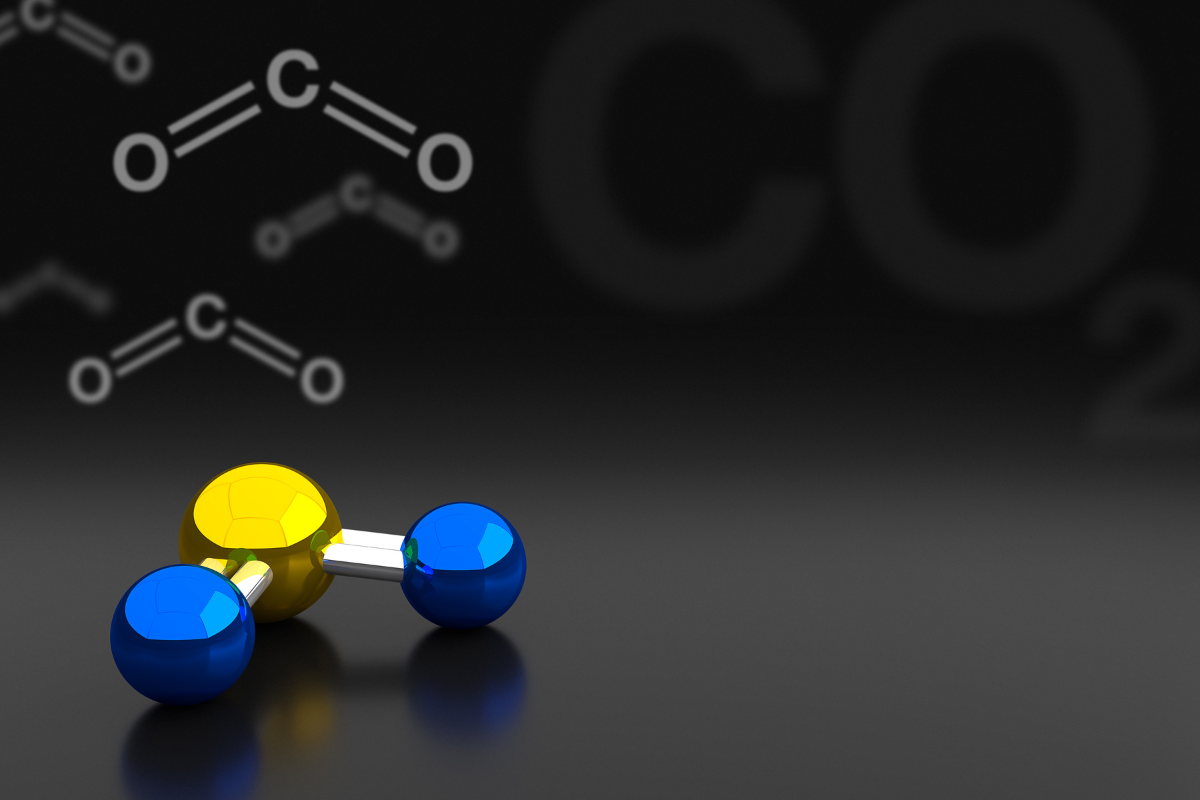
Dry ice is the solid form of carbon dioxide (CO₂), a naturally occurring gas found in the air we breathe. Unlike traditional ice, which is made from frozen water, dry ice is created by compressing and cooling carbon dioxide gas until it becomes liquid. That liquid CO₂ is then rapidly expanded, forming a snow-like solid that is compressed into blocks, pellets, or slices.

What makes dry ice unique is both its temperature and behavior. Dry ice has a surface temperature of –109.3°F (–78.5°C), making it significantly colder than water ice. This extreme cold allows it to freeze and preserve materials quickly and effectively.

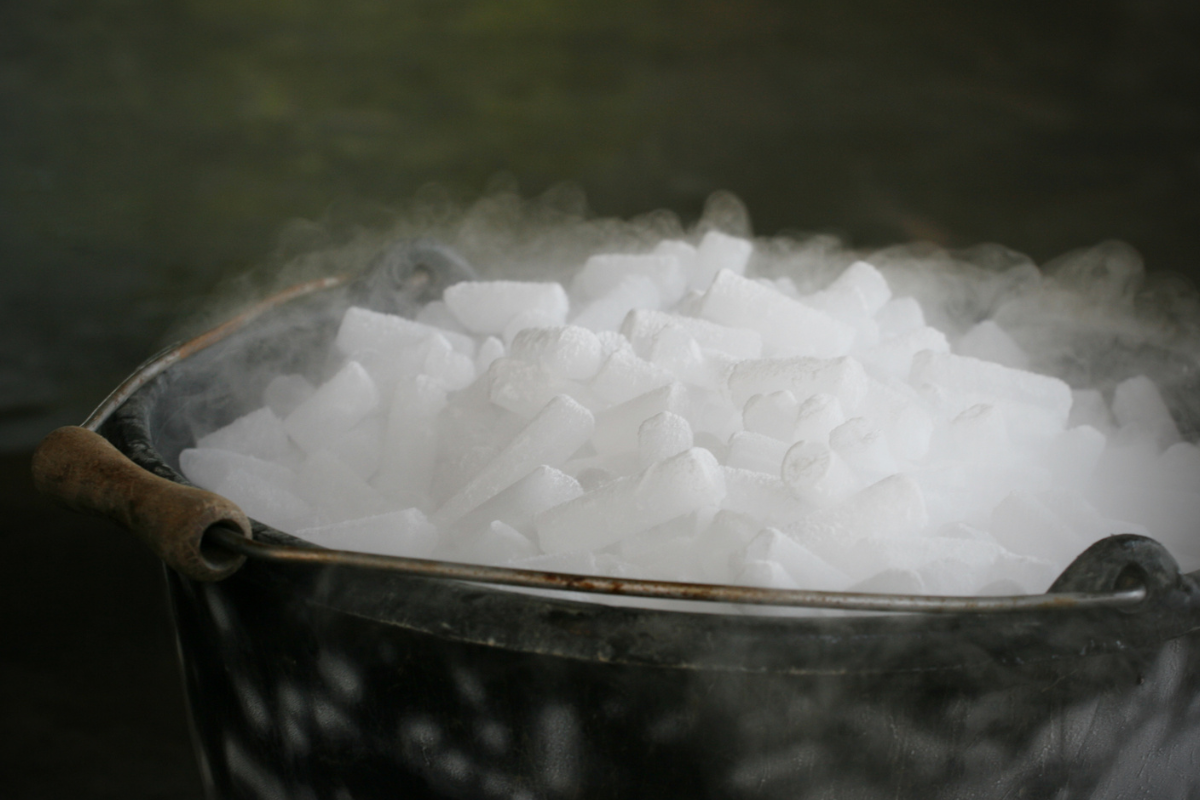
Even more distinctive is the way dry ice changes state. Instead of melting into liquid as it warms, dry ice undergoes a process called sublimation where it transitions directly from a solid to a gas. This means dry ice does not leave behind moisture or puddles. As it sublimates, it releases carbon dioxide gas, which is why you may see a fog-like effect when dry ice is exposed to air. That “smoke” is actually water vapor in the surrounding air condensing due to the extreme cold.

Because it leaves no residue, dry ice is widely used in applications where moisture control is critical. It plays a vital role in food processing, cold chain transport, medical shipping, and industrial cleaning. In dry ice blasting, for example, pellets are used to clean machinery; upon impact, they sublimate, leaving no secondary waste behind.

However, proper handling is essential. As dry ice sublimates, it releases carbon dioxide gas, which can displace oxygen in enclosed spaces. Adequate ventilation and protective gloves are important safety measures.

When sourced from a trusted supplier like Irish Dry Ice, dry ice provides a powerful, efficient, and versatile cooling solution.

Dry ice may seem simple at first glance, but its science and applications are anything but ordinary.

Medical and Pharmaceutical Uses of Dry Ice

In the medical and pharmaceutical industries, temperature control is not just important — it is critical. From vaccines and biologics to diagnostic samples and clinical trial materials, many healthcare products must be kept at precise temperatures to remain safe and effective. Dry ice plays a vital role in maintaining those conditions.

Dry ice is the solid form of carbon dioxide (CO₂) and maintains an extremely low temperature of –109.3°F (–78.5°C). Because it sublimates — transitioning directly from solid to gas without becoming liquid — it provides powerful cooling without leaving behind moisture. This makes it ideal for medical applications where contamination control is essential.

One of the most common uses of dry ice is in the transport of temperature-sensitive pharmaceuticals, including vaccines, injectable medications, and specialty biologics. Many of these products must remain frozen throughout transit to preserve stability and potency. Dry ice ensures sub-zero temperatures are maintained during shipping, particularly for long-distance or international transport.

Dry ice is also widely used for laboratory specimen transport. Blood samples, tissue samples, and diagnostic materials often require frozen storage to prevent degradation. By maintaining consistent temperatures during handling and transit, dry ice helps protect sample integrity and ensures accurate test results.

In pharmaceutical manufacturing and research settings, dry ice is used for rapid cooling and controlled freezing during production processes. Its ability to cool quickly without introducing water supports sterile environments and precise formulation control.

Because sublimation releases carbon dioxide gas, proper ventilation and handling protocols are essential. Facilities must follow regulatory guidelines to ensure safety and compliance. Reliable sourcing from an experienced supplier like Irish Dry Ice ensures consistent quality, proper packaging, and dependable delivery — key factors in healthcare logistics.

In medicine and pharmaceuticals, there is little room for error. Dry ice provides a dependable solution for protecting products that safeguard human health.

How Cold Is Dry Ice? Understanding Sublimation

Dry ice is remarkably cold — much colder than traditional ice. While regular ice freezes at 32°F (0°C), dry ice has a surface temperature of –109.3°F (–78.5°C). This extreme cold makes it highly effective for freezing, chilling, and preserving temperature-sensitive materials across food processing, medical transport, and industrial applications.

But dry ice isn’t just colder — it behaves differently.

Dry ice is the solid form of carbon dioxide (CO₂). Unlike water ice, which melts into liquid before evaporating, dry ice undergoes a process called sublimation. Sublimation occurs when a substance transitions directly from a solid to a gas without becoming liquid first.

At normal atmospheric pressure, carbon dioxide cannot exist as a liquid. So as dry ice warms, it doesn’t melt — it turns directly into carbon dioxide gas. That’s why dry ice appears to “disappear” over time, leaving no puddle behind. The dramatic fog often seen around dry ice isn’t smoke; it’s condensed water vapor formed when the extremely cold CO₂ gas rapidly cools the surrounding air.

This sublimation process is what makes dry ice so useful. Because it doesn’t produce liquid residue, it’s ideal for applications where moisture control is critical such as food processing, shipping perishable goods, and industrial cleaning. It also means there’s no secondary cleanup required, which improves efficiency in many operational settings.

However, sublimation also requires proper handling. As dry ice turns into gas, it releases carbon dioxide into the surrounding environment. Adequate ventilation is important to prevent CO₂ buildup in enclosed spaces.

Understanding how cold dry ice is, and how sublimation works, helps businesses use it effectively and safely. When sourced and handled properly, dry ice is one of the most powerful and versatile cooling tools available.

Why Ventilation Matters When Using Dry Ice

Dry ice is an extremely effective cooling and cleaning tool, widely used in food processing, shipping, medical applications, and industrial cleaning. But because dry ice behaves differently than traditional ice, it requires special safety considerations — one of the most important being proper ventilation.

Dry ice is the solid form of carbon dioxide (CO₂). As it warms, it doesn’t melt into liquid; instead, it sublimates, transitioning directly from a solid into a gas. While carbon dioxide is non-toxic and naturally present in the air, high concentrations can quickly become hazardous in enclosed or poorly ventilated spaces.

In confined environments, sublimating dry ice can displace oxygen without any visible warning signs. Elevated CO₂ levels may cause symptoms such as headaches, dizziness, shortness of breath, or confusion — and in extreme cases, oxygen deprivation. Because carbon dioxide is colorless and odorless, these conditions can develop before anyone realizes there’s a problem.

Proper ventilation allows excess CO₂ to dissipate safely, maintaining breathable oxygen levels. This is especially critical when dry ice is used indoors, in vehicles, walk-in coolers, storage rooms, or processing facilities. Even during transport, dry ice should never be placed in airtight containers or unventilated passenger areas.

Ventilation is also essential during dry ice blasting operations. As pellets sublimate on impact, CO₂ is released rapidly into the surrounding air. Adequate airflow — combined with monitoring and safety protocols — ensures a safe working environment for operators and nearby personnel.

Working with an experienced supplier like Irish Dry Ice helps ensure not only reliable product availability, but also proper handling guidance and safety education. Understanding how dry ice behaves, and respecting its properties, allows businesses to use it effectively and responsibly.

Dry ice is a powerful tool. With proper ventilation, it’s also a safe one.

Extra Small
Small
Medium
Large
Extra Large
Double XL