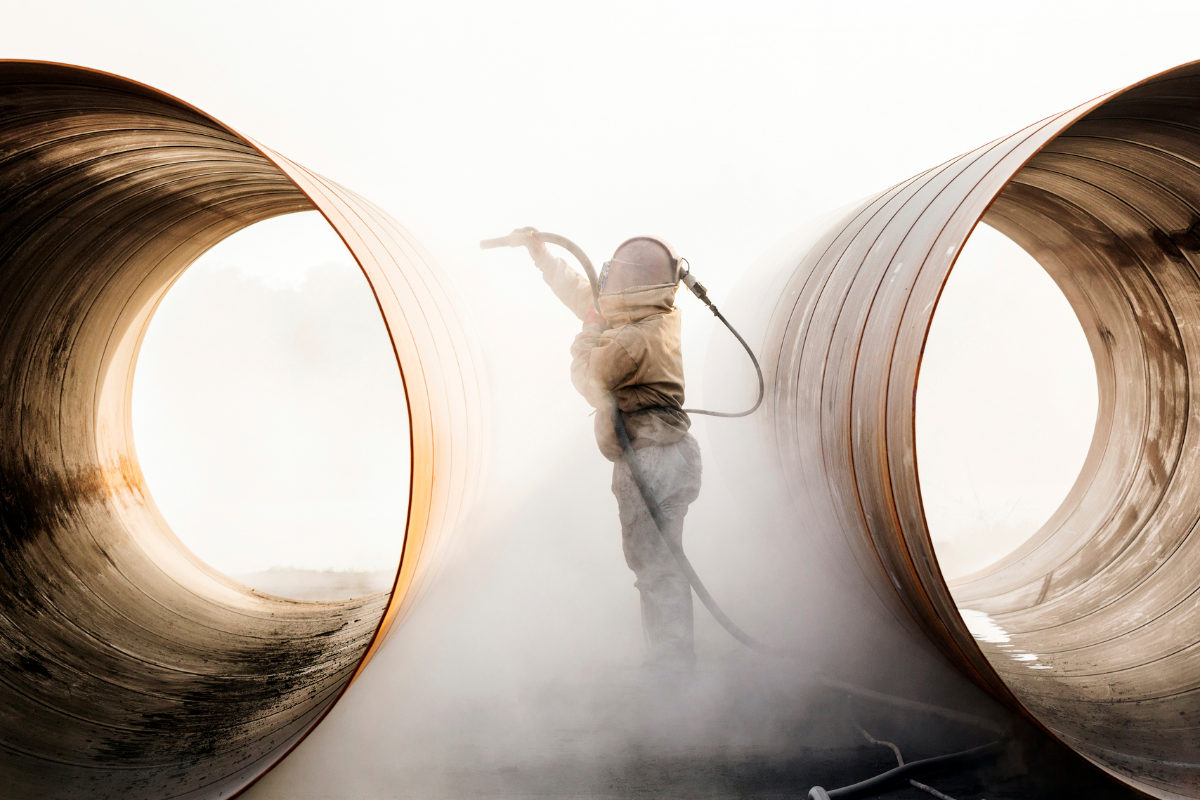
When it comes to industrial and commercial cleaning, not all methods are created equal. For decades, traditional cleaning techniques such as pressure washing, chemical solvents, abrasive blasting, and manual scraping have been the standard. In recent years, however, dry ice blasting has emerged as a powerful alternative. Understanding the differences can help facilities choose the most efficient and cost-effective solution.
Traditional cleaning methods often rely on water, chemicals, or abrasive media to remove contaminants. While effective, these approaches can introduce secondary waste, require extensive cleanup, and sometimes damage sensitive equipment. Moisture and chemicals may also lead to corrosion, residue buildup, or environmental disposal concerns. In many cases, equipment must be shut down or disassembled, resulting in costly downtime.
Dry ice blasting works differently. It uses solid carbon dioxide pellets accelerated by compressed air to clean surfaces. Upon impact, the dry ice pellets sublimate —transitioning directly from solid to gas —lifting contaminants away without leaving behind water, chemicals, or abrasive debris. Because the pellets disappear, there is no secondary waste to collect or dispose of.
One of the greatest advantages of dry ice blasting is that it is non-abrasive and non-conductive, making it ideal for cleaning sensitive machinery, electrical components, molds, and production equipment. In many cases, cleaning can be performed in place, significantly reducing downtime and labor costs.
From a safety and environmental standpoint, dry ice blasting also offers benefits. It eliminates the need for harsh chemicals and reduces water usage, making it an appealing option for facilities focused on sustainability and worker safety.
That said, traditional cleaning methods still have their place. Heavily corroded surfaces or applications requiring aggressive material removal may call for abrasive techniques. The key is choosing the right method for the job.
Dry ice blasting isn’t just a cleaning method—it’s a strategic maintenance tool. When efficiency, precision, and minimal disruption matter, it provides a compelling alternative to traditional approaches.